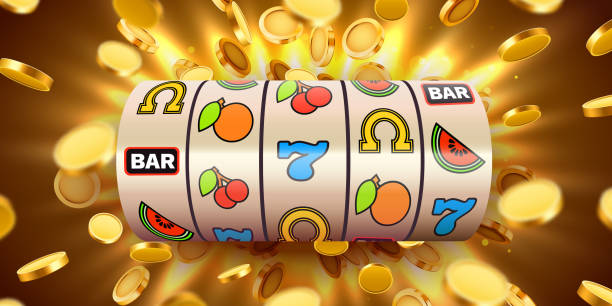
Modern online slot games are built around far more than spinning reels. Their structure combines visual hierarchy, animation, interface logic, sound, timing, and interactive features so players can quickly understand what is happening on screen.
Every symbol, button, transition, and feature display serves a purpose. Together, these choices turn slot games into organized digital experiences with clear visual rules.
Table of Contents
Visual Design Gives Each Game a Clear Identity
A slot screen must communicate a large amount of information in limited space. Visual design helps organize reels, symbols, controls, values, and feature indicators so the screen remains easy to read.
Themes Create a Consistent Visual Language
Themes give each game a recognizable identity. A title may use sports imagery, fantasy artwork, classic fruit symbols, architecture, or modern graphic styles. The theme usually influences backgrounds, icons, typography, animation, and sound.
When symbols and interface elements follow the same visual language, the screen becomes easier to process.
Color and Contrast Direct Attention
Color is not only decorative. It can separate important controls from background artwork and help special symbols stand out.
Common uses include:
- highlighting active buttons;
- separating reels from surrounding artwork;
- identifying special symbols;
- drawing attention to counters;
- keeping text and values readable.
Interface Structure Shapes Player Interaction
A clear interface reduces unnecessary effort. Controls, menus, information panels, and indicators should appear in predictable locations so players can understand the screen quickly.
Controls Follow Familiar Digital Patterns
Many slot interfaces borrow ideas from mobile apps and other digital entertainment products. Large buttons, clear labels, simple menus, and recognizable icons make navigation easier.
The same principle can be considered when looking at broader online gaming environments associated with terms such as sbobet, since clear navigation and readable interface structures are common priorities across digital entertainment platforms.
Typical slot controls include spin functions, stake settings, sound options, information menus, and feature displays. Their placement keeps primary actions easy to locate.
Responsive Layouts Adapt to Screen Size
Players may use desktop monitors, tablets, or smartphones. Responsive layouts allow interface elements to adjust while keeping the main controls readable.
On smaller screens, secondary information may move into menus while the most important actions stay visible. This keeps the central area tidy.
Animation Adds Rhythm and Feedback
Animation helps explain what the game is doing. Movement can show when reels start, when symbols settle, when a feature activates, or when a sequence reaches its result.
Motion Makes Events Easier to Follow
Short animations act as visual signals. A symbol may expand, glow, move, or change form to show that it has a special function. Reel effects can indicate a new sequence.
Timing matters. Fast transitions maintain momentum, while slightly longer sequences can signal that an event has more significance than a standard spin.
Small Effects Confirm Player Actions
Micro-animations are brief visual responses attached to specific actions. They can appear when a button is pressed, a setting changes, or a panel opens.
Examples include:
- a button changing state after selection;
- a counter updating with short movement;
- a symbol receiving a subtle highlight;
- a panel sliding into view;
- a progress indicator advancing.
These effects confirm actions while keeping focus on the reels.
Sound Design Supports Visual Information
Sound adds another communication layer. Short cues can confirm button presses, reel movement, symbol activity, and feature changes.
Audio Helps Separate Different Moments
Different sounds can distinguish routine actions from special events. A standard reel stop may use a brief cue, while a feature sequence may use a longer musical pattern.
When audio and animation are coordinated, complex sequences become easier to follow.
Modern Mechanics Influence Screen Layout
Game mechanics and visual structure are closely connected. As slot formats include more feature types, interfaces need clear ways to explain what each element does.
Special Symbols Need Quick Recognition
Wild symbols, scatter symbols, multipliers, expanding icons, and collection symbols often use distinct artwork or animation so their role is easy to identify.
Information panels can explain these features with short text and clear icons.
Progress Features Add Structure
Some formats use meters, collections, level indicators, or staged features. These elements add another layer of organization to the interface.
A progress display can show collected items or movement toward a feature condition. The main design goal is to keep this information visible without overcrowding the reels.
Conclusion
Modern online slot games show how much digital design can shape a familiar format. Reels remain central, but visuals, controls, animation, sound, and feature information now work together as one coordinated system.
The key lesson is clarity. Strong interfaces make important information easy to locate, use movement to explain events, and arrange features so players can understand the screen quickly. More than a spin, a modern slot is a carefully structured form of digital interaction.