Neuro Scientia
  • Contact
  • Home
  • News
    • Entertainment
    • Trending
    • Intelligence
  • Neuroscience
    • Brain
      • Boost Brain
      • Brain plasticity
      • Brain Food
      • Brain Power
      • Brain health
      • Brain Science
    • Artificial intelligence
    • Behavioral Neuroscoence
    • Behaviour
    • Behavioural Science
  • Biology
    • Bio-Hacking
    • Brain Hacks
    • Brainology
    • Health
    • Body
  • Cognition
    • Cognitive Health
    • Cognitive neuroscience
    • Cognitive Psychology
    • Creativity
  • Genius
    • Genius IQ
    • Increase IQ
    • Intelligence Quotient
    • Intelligence Test
    • IQ
    • IQ Boost
  • General
    • Career
    • Business
    • Education
    • Healthcare
    • Ideas
    • Inspiration
No Result
View All Result
Neuro Scientia
  • Contact
  • Home
  • News
    • Entertainment
    • Trending
    • Intelligence
  • Neuroscience
    • Brain
      • Boost Brain
      • Brain plasticity
      • Brain Food
      • Brain Power
      • Brain health
      • Brain Science
    • Artificial intelligence
    • Behavioral Neuroscoence
    • Behaviour
    • Behavioural Science
  • Biology
    • Bio-Hacking
    • Brain Hacks
    • Brainology
    • Health
    • Body
  • Cognition
    • Cognitive Health
    • Cognitive neuroscience
    • Cognitive Psychology
    • Creativity
  • Genius
    • Genius IQ
    • Increase IQ
    • Intelligence Quotient
    • Intelligence Test
    • IQ
    • IQ Boost
  • General
    • Career
    • Business
    • Education
    • Healthcare
    • Ideas
    • Inspiration
No Result
View All Result
Neuro Scientia
No Result
View All Result

Neurovascular Coupling Variability Across Human Lifespans: Why Some Brains Age Better Than Others

varsha by varsha
January 9, 2026
in Misc
0
Neurovascular Coupling Variability Across Human Lifespans: Why Some Brains Age Better Than Others
404
SHARES
2.4k
VIEWS
Share on FacebookShare on Twitter

Every thought needs fuel. Every memory needs oxygen. The brain cannot work alone. Neurovascular coupling is when the brain asks for energy, and blood comes to give it. Brain cells work, and blood vessels open to help. They widen. They deliver oxygen and glucose. This system works quietly in the background. Yet small changes in this link can shape how the brain ages. Some brains stay sharp for decades. Others slow down earlier.

Table of Contents

  • What Neurovascular Coupling Really Means
  • Childhood and Adolescence: A System in Training
  • Young Adulthood: Peak Efficiency Years
  • Midlife: The Quiet Turning Point
  • Aging Brains and Slower Signals
  • The Role of Inflammation and Metabolism
  • How Researchers Measure Neurovascular Coupling
  • Can Neurovascular Decline Be Slowed?
  • Rethinking Brain Aging

What Neurovascular Coupling Really Means

It’s all about timing. Neurons send messages, and blood vessels deliver energy. When this happens on time, brain cells stay healthy. When the timing is slow, neurons struggle. They still work, but with less help.

Over time, this causes stress. Damage can follow. Brain function can decline. It is not just about blood volume. It is about speed, accuracy, and balance, everything you find at the 22Bet app.

Childhood and Adolescence: A System in Training

In early life, the system is flexible. Blood vessels are elastic. Signals are strong. Recovery is fast. The brain learns how much blood it needs. It fine-tunes responses through experience. Play, learning, and movement help shape this link.

During adolescence, growth surges challenge the system. Most brains adapt well. Some do not. Taking care of your health early is more important than we used to think.

Young Adulthood: Peak Efficiency Years

For many, this is the golden phase. Neurons fire cleanly. Blood flow adjusts smoothly. Energy delivery is efficient. Neurovascular coupling is usually at its best here. The brain handles stress well. It recovers from sleep loss faster.

Cognitive tasks feel easier. But lifestyle choices start to matter. Smoking, poor sleep, and inactivity can slowly weaken this balance, even when symptoms are invisible.

Midlife: The Quiet Turning Point

Changes often start here. They are subtle. They are uneven. They are personal. Blood vessels may stiffen. Endothelial cells respond more slowly. The brain still works, but margins shrink. Some people notice mental fatigue sooner. Others feel no change at all. This is where variability becomes clear. Two brains of the same age can differ greatly in blood flow precision.

Aging Brains and Slower Signals

For older adults, timing is more crucial than ever. Neurons still fire. But blood may arrive late. Or not enough. This delay stresses brain tissue. Regions involved in memory and attention are especially sensitive.

Reduced coupling has been linked to slower thinking and higher dementia risk. Yet aging does not follow one path. Some older brains preserve strong coupling well into later life.

The Role of Inflammation and Metabolism

Inflammation disrupts signals. Blood vessels lose sensitivity. Support cells miscommunicate. Energy delivery weakens. Metabolic problems like diabetes make this worse. Too much sugar in the blood harms blood vessels. Insulin resistance affects brain energy use.

Over the years, these changes have reduced coupling efficiency. This helps explain why metabolic health strongly predicts brain aging outcomes.

How Researchers Measure Neurovascular Coupling

Scientists use indirect tools. Functional MRI tracks blood flow changes. EEG measures neural activity timing. Optical imaging maps vessel responses. By comparing these signals, researchers see how well blood and neurons align.

Differences appear long before symptoms do. This makes coupling a promising early marker for brain decline. It also opens doors for prevention.

Can Neurovascular Decline Be Slowed?

Evidence suggests yes. Movement improves flow. Sleep restores balance. Mental challenge keeps demand signals strong. Aerobic exercise is especially powerful. It boosts vessel health and signaling speed.

Managing blood pressure protects fragile capillaries. Talking and spending time with others can keep your brain active. Little daily habits can make a big difference over time.

Rethinking Brain Aging

Aging is not only neuron loss. It is also a supply failure. It is a timing breakdown. It is communication drift. Neurovascular coupling reminds us that the brain is not isolated. It depends on the body.

Brains that age better often belong to bodies that stayed supported and active. Understanding this link shifts how we think about cognitive aging.


Previous Post

The Science of Static Cling: Why Some Fabrics Attract It More Near Electronics

Next Post

Joining A Platform That Supports Responsible Slot Gaming

Next Post
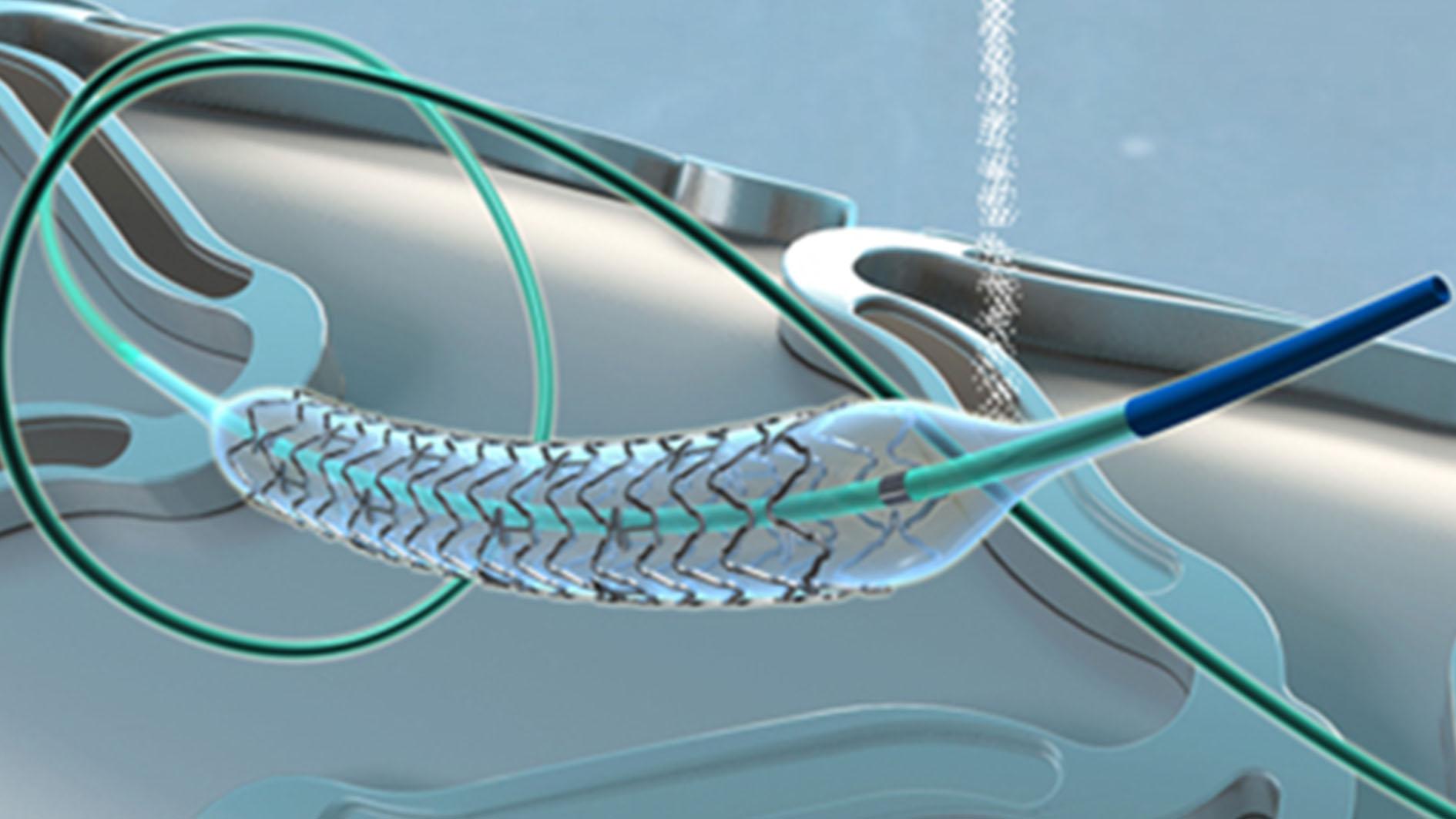
The First Heart Attack Problem: Why 50% Happen Without Warning

The First Heart Attack Problem: Why 50% Happen Without Warning

About Us

Neuro Scientia

Thank you for visiting neuroscientia.com. This is open to all platforms to get knowledge about various topics. If you are bored then this website can help you to get rid of your boredom. We dont charge anything for that. Happy Reading :)

Hot Trends

Dr. Rajesh Bindal Explains Five Innovations Making Spine Surgery Less Invasive

Dr. Rajesh Bindal Explains Five Innovations Making Spine Surgery Less Invasive

by varsha
July 2, 2025
0

Spine surgery has undergone a significant transformation, moving away from traditionally invasive methods toward techniques that prioritize precision, reduced trauma,...

Discreet But Revolutionary: Daily Wellness With Compression Garments

Discreet But Revolutionary: Daily Wellness With Compression Garments

by varsha
June 18, 2025
0

In the hectic everyday life, we often overlook and dismiss the important signals that our body is sending us. Like...

Motorcycle Adventures with Bluepillow.com

Motorcycle Adventures with Bluepillow.com

by varsha
June 16, 2025
0

For motorcyclists, the journey is the destination. The hum of the engine, the wind through your visor, the rhythm of...

Most Recent

The First Heart Attack Problem: Why 50% Happen Without Warning
healthcare

The First Heart Attack Problem: Why 50% Happen Without Warning

April 11, 2026
  • About
  • Our Team
  • Advertise
  • Privacy Policy
  • Contact Us

Copyright © 2026 All Rights Reserved | Powered by Neuroscientia | GuestPost@GeniusUpdates.com

No Result
View All Result
  • Contact
  • Home
  • News
    • Entertainment
    • Trending
    • Intelligence
  • Neuroscience
    • Brain
      • Boost Brain
      • Brain plasticity
      • Brain Food
      • Brain Power
      • Brain health
      • Brain Science
    • Artificial intelligence
    • Behavioral Neuroscoence
    • Behaviour
    • Behavioural Science
  • Biology
    • Bio-Hacking
    • Brain Hacks
    • Brainology
    • Health
    • Body
  • Cognition
    • Cognitive Health
    • Cognitive neuroscience
    • Cognitive Psychology
    • Creativity
  • Genius
    • Genius IQ
    • Increase IQ
    • Intelligence Quotient
    • Intelligence Test
    • IQ
    • IQ Boost
  • General
    • Career
    • Business
    • Education
    • Healthcare
    • Ideas
    • Inspiration

Copyright © 2026 All Rights Reserved | Powered by Neuroscientia | GuestPost@GeniusUpdates.com